Field Trip vs. School Trip: Understanding the Difference for Educational Travel Planning

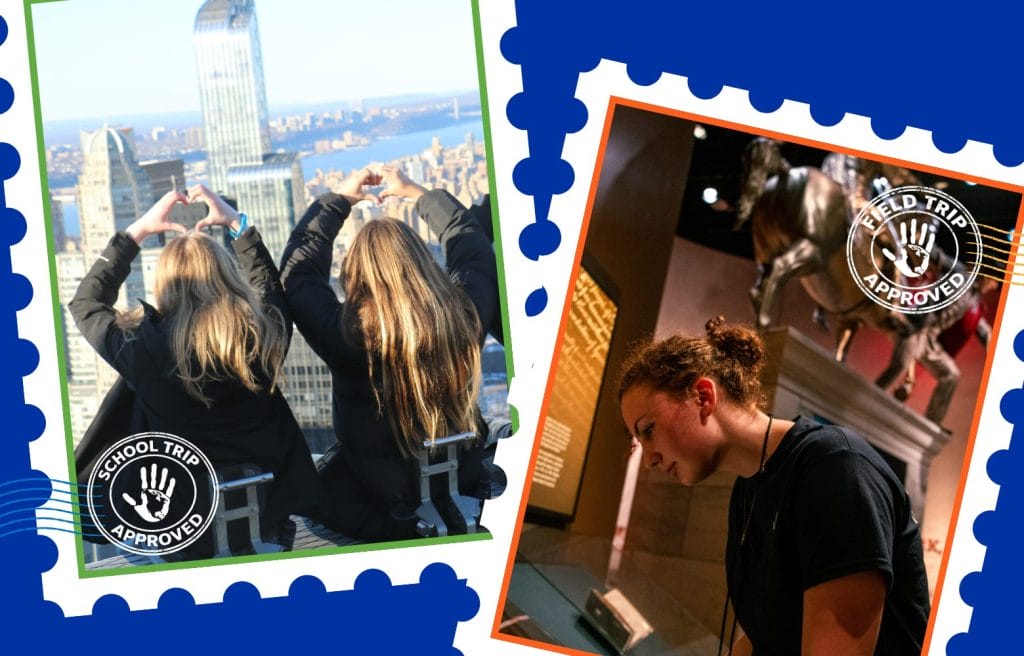
Educators often use the terms “field trip” and “school trip” interchangeably, but they actually represent two very different types of student travel experiences. Understanding the difference can help teachers and administrators choose the type of trip that best supports their learning objectives, budget, and students’ needs while creating intentionally designed learning experiences rather than simply visiting interesting places.
In this guide, we’ll break down the key differences between field trips and school trips, explore important factors to consider when planning educational travel, share examples and itinerary inspiration, and offer practical tips for maximizing the learning impact of your trip.
Defining Field Trips and School Trips
Field trips typically refer to short, focused educational outings that take place within a single day and close to a school’s local community. These experiences are often designed to reinforce a specific lesson or curriculum unit by allowing students to see concepts in action outside the classroom. Visiting a museum, exploring a nature center, or touring a local historical landmark are common examples. Field trips provide valuable hands-on learning opportunities that help students connect classroom concepts with real-world experiences.
School trips, on the other hand, are typically longer, more immersive travel experiences that take students beyond their local area, often involving overnight stays or multi-day itineraries. These trips allow students to explore broader themes such as history, government, science, or culture through experiences across multiple locations. Because these experiences often connect multiple subjects, student travel frequently becomes interdisciplinary, helping students see how ideas from different fields intersect in the real world. By stepping into the places where history unfolded or discoveries are made, students gain deeper context, expanded perspectives, and meaningful real-world connections that extend far beyond traditional classroom learning.
Factors to Consider When Planning Educational Travel
When deciding between a field trip and a school trip, it’s important to consider several key factors to ensure the experience aligns with your educational goals and the needs of your students.
- Learning objectives: Start by identifying what you want students to gain from the experience. Many educators begin by considering the essential questions they want students to explore during the trip, helping connect travel experiences directly to classroom learning.
- Student age and grade level: Choose destinations and activities that are appropriate for your students’ developmental stage, attention span, and academic level. What works well for elementary students may differ greatly from what engages middle or high school learners.
- Budget and funding: Evaluate available resources and determine what type of trip fits within your school community’s budget. Many schools also explore fundraising opportunities or grants to help make student travel more accessible.
- Logistics and transportation: Consider the practical aspects of the trip, including travel time, transportation arrangements, accommodations for overnight trips, meals, and scheduling for on-site activities.
- Safety and supervision: Student safety should always be a top priority. Ensure appropriate chaperone ratios, establish clear expectations for student behavior, and plan procedures that support a safe and organized experience.
By carefully evaluating these factors, educators can choose the type of educational travel experience that best supports their students while balancing learning goals, logistics, and available resources.
Choosing Between a Field Trip and a School Trip
When deciding between a field trip and a school trip, it’s helpful to begin with your educational goals and the type of learning experience you want students to have.
If your primary objective is to reinforce specific curriculum concepts or provide a focused experience connected to a particular lesson, a field trip may be the most practical choice. Because these outings are typically local and completed within a single day, they are often easier to organize and require fewer logistical considerations while still giving students the opportunity to see classroom concepts in action.
However, if your goal is to expand students’ perspectives, encourage deeper inquiry, or connect learning across multiple subjects, a school trip may be the better option. Multi-day school trips allow students to explore destinations in greater depth while engaging with historical sites, cultural institutions, and scientific environments. These experiences often become interdisciplinary, helping students connect ideas from history, government, science, and culture in meaningful ways.
Traveling beyond their local community also helps students develop independence, confidence, and greater personal growth and autonomy. By experiencing new places firsthand, students can build global and cultural awareness while gaining a broader understanding of perspectives beyond their own communities.
For many students, these immersive learning experiences become some of the most memorable and impactful moments of their academic journey.
Field Trip Examples and Ideas
- Visiting museums to explore art, history, or science exhibits
- Touring nature centers or parks for environmental education and outdoor learning
- Participating in STEM-focused visits to laboratories, factories, or technology companies
- Engaging in community service or service-learning projects
- Attending performances at theaters or cultural institutions
School Trip Itinerary Inspiration
- Multi-day tours to Washington, D.C. or other major cities to explore government, civics, and American history
- International cultural immersion trips, such as visiting France to connect language learning with real-world cultural experiences
- Science and nature adventures to destinations like national parks or research centers in Costa Rica or Florida
- History-focused journeys to destinations such as Boston or Spain
- College campus visits or career exploration trips that help students envision their future paths
Maximizing the Educational Value of Your Trip
No matter which type of trip you choose, thoughtful planning can greatly enhance the educational impact of the experience. When travel is intentionally connected to classroom learning, students are more likely to retain what they see, hear, and experience.
Consider these strategies to help maximize the value of your educational travel experience:
- Align trip activities with learning standards and objectives
- Incorporate pre-trip lessons to build background knowledge and excitement
- Encourage student reflection and personal goal-setting during the trip
- Provide post-trip activities to reinforce learning and apply new knowledge
- Partner with knowledgeable educational tour providers for logistical support and curriculum resources
By thoughtfully selecting and planning student travel experiences, you can create powerful opportunities for student learning, growth, and engagement.
Unlocking the Power of Educational Travel: Your Guide to Unforgettable Field Trips and School Trips
Understanding the difference between field trips and school trips helps educators make informed decisions when planning meaningful learning experiences beyond the classroom. By considering factors such as learning objectives, student needs, and available resources, educators can choose the type of travel experience that best supports their curriculum and educational goals.
Whether you choose a focused field trip or an immersive school trip, thoughtful planning and strong connections to your curriculum can significantly enhance the educational value of the experience. When students have the opportunity to engage with the places, people, and stories behind what they are learning, the impact can extend far beyond the classroom.
If you’re planning a multi-day student travel experience, explore our school trip destinations or book a conversation with a NationsClassroom representative to start building your next educational journey. Because the most powerful lessons aren’t just taught, they’re experienced.